
Are you a tattoo artist with a dream of owning your own studio? Or maybe you’re an entrepreneur spotting the huge potential in the tattoo world? In 2025, the tattoo industry is buzzing with growth. The global market is expected to hit $2.31 billion this year and climb to $9.25 billion by 2034, growing at a steady 15% each year. That’s a lot of ink and opportunity! But starting a tattoo shop isn’t just about the art—it’s about smart planning, following rules, and keeping costs low so you can focus on what you love: creating tattoos that tell stories.
If you’re searching for “how to start a tattoo shop 2025,” you’ve come to the right place. This beginner’s guide breaks it all down into simple steps. We’ll cover everything from writing your business plan to picking gear that won’t break the bank. And we’ll highlight how affordable tools like eBronc’s wholesale Bronc machines and BigWasp needles can make your launch smoother and cheaper. By the end, you’ll feel ready to turn your passion into a thriving business. Let’s dive in—your future shop is waiting!
Step 1: Develop a Solid Business Plan
Every successful tattoo shop starts with a clear business plan. Think of it as your roadmap. Without it, you might waste time and money on ideas that don’t fit the 2025 market. A good plan helps you see the big picture: who your customers are, how you’ll make money, and what could go wrong.
First, research your market. The tattoo scene in 2025 is all about trends like microrealism—tiny, super-detailed tattoos of pets or nature—and fine-line designs that look delicate and modern. Blackwork and minimalist abstract pieces are also hot, drawing in younger clients who want quick, affordable sessions. But remember, the industry is shifting. With more artists online, shops need to stand out with unique vibes, like eco-friendly inks or pop-up events. Check local demand: Are there enough people in your area who love tattoos but lack good studios?
Next, outline your finances. Startup costs for a tattoo shop in 2025 range from $20,000 to $350,000, depending on size and location. Most beginners aim for $70,000 to $100,000 in a mid-sized city. Break it down: rent ($1,500–$5,000/month), equipment ($5,000–$15,000), marketing ($2,000–$5,000), and licenses ($500–$2,000). Project your income too. A single artist might charge $100–$150 for a small first tattoo, but with multiple stations, you could hit $10,000–$20,000 monthly once busy.
Don’t forget your unique selling point. What makes your shop special? Maybe it’s a focus on custom designs or a chill, inclusive space. Include a marketing section—more on that later—and a timeline for opening in 3–6 months. Tools like free templates from sites like zolmi.com can help you write it fast.
Writing this plan might feel overwhelming, but it’s worth it. It keeps you focused and ready to pitch to banks for loans if needed. Spend a weekend on it, and you’ll thank yourself when doors open.
Step 2: Navigate Legal Requirements and Licensing
Rules keep the tattoo world safe, but they can trip up newbies. In 2025, every state has its own mix of laws, so start by checking your local health department and city hall. Skipping this could mean fines or shutdowns—nobody wants that on opening day.
The basics? Get a business license first. It costs $100–$400 and covers your shop as a legal entity, like an LLC for protection. Then, apply for a tattoo parlor permit. This often needs a health inspection to ensure your space is clean and bloodborne pathogen-free. Artists need individual licenses too—many states require 100–1,000 hours of training, plus exams on safety.
Age rules are strict: No tattoos for anyone under 18, even with consent. You’ll need signed waivers for adults, covering risks like infections. Insurance is a must—general liability ($500–$1,000/year) and professional coverage for artists. In places like North Carolina, new 2025 laws are pushing for more training hours and mobile parlor rules, so stay updated.
Pro tip: Hire a local lawyer for $500–$1,000 to review everything. It sounds extra, but it saves headaches. Once licensed, display your permits proudly—they build trust with clients. By following these steps, your shop stays legit and safe, letting you focus on the fun stuff.
Step 3: Scout and Secure the Perfect Location
Location can make or break your shop. You want foot traffic, but not in a spot that’s too pricey or sketchy. In 2025, with rising rents due to economic shifts, smart scouting saves cash.
Start by driving around trendy areas: near colleges, art districts, or music venues where tattoo fans hang out. Aim for 500–1,500 square feet—enough for 2–4 stations without feeling cramped. Legal minimums are often 20 square meters, but go bigger for comfort.
Check zoning laws: Your spot must allow body art businesses. Look at rent: $20–$50 per square foot yearly in urban spots. Negotiate leases—aim for 1–3 years with options to renew. Test the vibe: Is parking easy? Are there competitors nearby, or a gap you can fill?
Once you find “the one,” get it inspected for plumbing (key for sterilization) and wiring. Budget $2,000–$5,000 for minor fixes. A great location draws walk-ins and boosts your online reviews fast. Imagine clients stumbling in after a concert— that’s the magic you’re after.
Step 4: Design and Set Up Your Studio Space
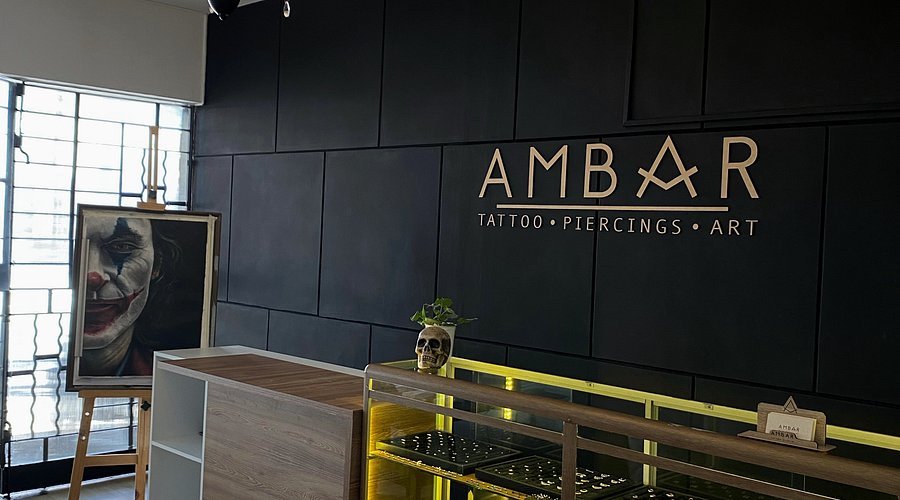
Your shop’s look sets the tone. Clients want a clean, welcoming spot that screams “professional artist haven.” In 2025, go for modern minimalism with tattoo art on walls—think black accents and soft lighting.
Layout matters: Separate waiting area, private stations, and a sterilization room. Each station needs good light, adjustable chairs ($300–$600 each), and power outlets. Add comfy seating, a reception desk, and decor like neon signs for that cool edge.
Budget $5,000–$10,000 here. Shop secondhand for chairs or DIY shelves to cut costs. Focus on hygiene: Easy-clean floors, sinks everywhere, and UV sterilizers. A fresh setup not only passes inspections but makes clients feel safe and excited. Snap photos for your Instagram—it’s free marketing!
Step 5: Acquire Essential Equipment and Supplies
Gear is the heart of your shop. Skimp here, and sessions drag; invest smart, and you fly. For 2025 startups, total equipment runs $5,000–$15,000, but bundles make it easier.
Must-haves: Tattoo machines, needles, inks, power supplies, and gloves. Machines should be reliable—wireless ones are trending for freedom. Needles need to be sterile and versatile for fine lines or bold blackwork.
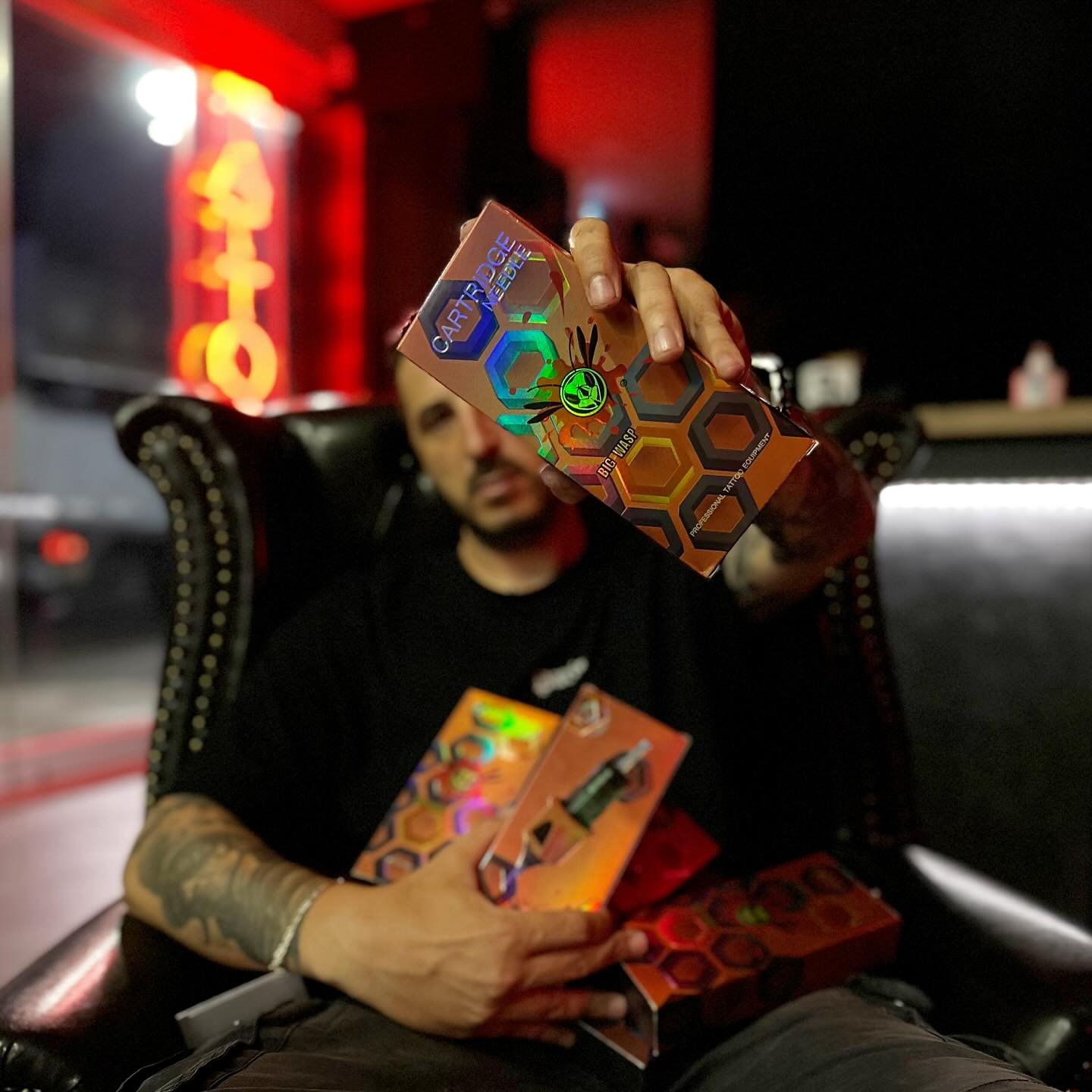
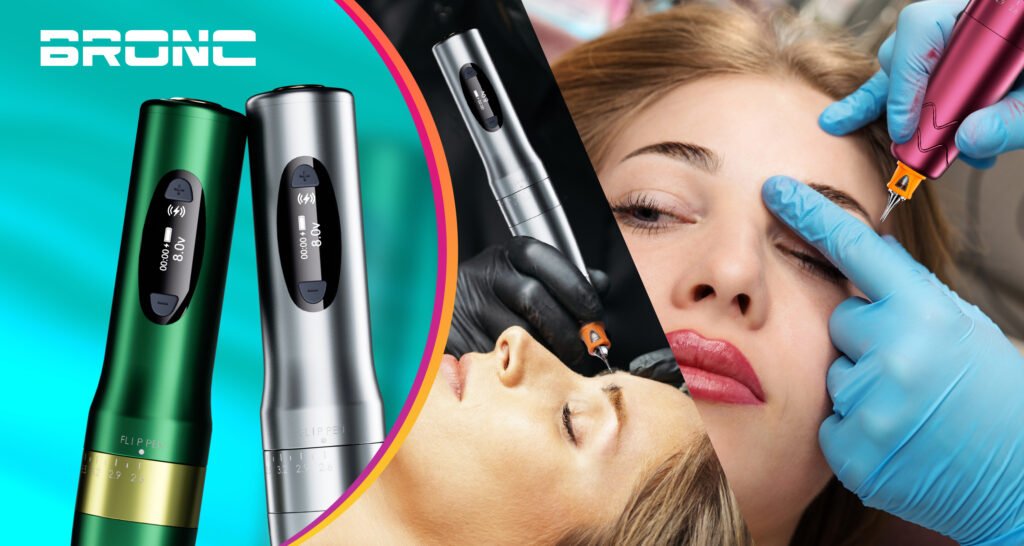
Here’s where eBronc shines. Their wholesale Bronc machines are built tough for all-day use, with adjustable strokes perfect for 2025’s microrealism trend. Pair them with BigWasp needles—super sharp for clean lines without skin trauma. The best part? eBronc’s budget-friendly bundles for new studios slash costs by 30–50%. A starter kit with machines, needles, and grips might run $500–$800 per station, way under big-brand prices. It’s like they designed it for beginners breaking in.
Stock inks in trending colors: Neutrals for minimalism, brights for watercolor styles. Add disposables like barriers and tubes. Order from trusted suppliers like eBronc to avoid fakes. Test everything before opening—smooth setups mean happy artists and clients.
This step lowers barriers big time. With eBronc, you’re not just buying tools; you’re investing in a launch that lets creativity flow without cash stress.
Step 6: Hire Talented Tattoo Artists and Staff
No shop thrives without great people. In 2025’s competitive market, top artists are gold— they bring clients and set your style.
Start recruiting early. Post on Reddit’s r/TattooArtists or Instagram: “Seeking fine-line pros for new 2025 shop!” Look for portfolios matching trends like tiny tattoos or sticker sleeves. Offer fair splits: 50/50 on earnings or $20–$40/hour plus commission.
Hire a receptionist too—for bookings and vibes. Train everyone on safety and customer service. With economic ups and downs, flexible schedules help retain talent. A strong team turns one-time clients into regulars.
Step 7: Develop a Marketing Strategy
Get the word out! In 2025, digital rules: 70% of clients find shops via social media or SEO.
Build a pro website with your services, artist bios, and booking form—$500–$2,000 to set up. Optimize for “how to start a tattoo shop 2025” if you’re blogging, but focus on “best tattoos near me.” Blast Instagram with trend reels: Butterfly tats or pet portraits.
Email newsletters and Google ads target locals. Partner with influencers for shoutouts. Start 30–60 days pre-launch for buzz. Track what works—free tools like Google Analytics help. Smart marketing fills chairs fast.
Step 8: Launch and Manage Your New Shop
Opening day! Host a grand event with free consults and snacks. Track sales from day one—software like Vagaro simplifies bookings.
Manage daily: Clean obsessively, chat with clients, adjust based on feedback. In 2025’s economy, watch costs but splurge on quality supplies. Review your plan quarterly. Growth means adding services like piercings later.
Ink Your Success in 2025
Starting a tattoo shop in 2025 is tough but rewarding. From planning to polish, these steps set you up for ink and income. Remember, affordable gear like eBronc’s Bronc machines and BigWasp needles bundles eases the entry—check them out at ebronc.com for your starter kit today.
Ready to tattoo your dreams into reality? Grab your plan, scout that spot, and let’s make 2025 your year. What’s your first step? Drop a comment below—we’d love to hear!