

Dreaming of turning your sketchbook scribbles into a buzzing tattoo shop of your own? In 2025, the tattoo world is exploding with fresh trends like microrealism—those tiny, hyper-detailed portraits—and fine-line florals that whisper elegance on skin. But before you hang that “Open” sign, you need a killer portfolio. It’s not just a collection of drawings; it’s your proof of passion, skill, and vision. If you’re googling “building tattoo portfolio for beginners,” this guide is your roadmap from wide-eyed apprentice to confident owner.
We’ll break down simple steps to craft a standout portfolio that wows mentors, lands gigs, and draws clients to your future doors. Plus, we’ll spotlight how affordable practice tools like eBronc’s wholesale apprentice kits—with their sharp BigWasp needles—can supercharge your progress without draining your wallet. By the end, you’ll have the confidence to ink your way to independence. Let’s get drawing!
Why a Strong Portfolio is Key to Your Shop Launch
Your portfolio isn’t fluff—it’s your business card, resume, and hype reel all in one. For beginners eyeing shop ownership, it shows you can handle trends like blackwork geometrics or whimsical watercolor sleeves that are dominating 2025. Shops get flooded with applicants, but a polished portfolio screams “hire me” or “partner with me.”
Think about it: When scouting locations or pitching to investors, your work proves you’re not just talk. It highlights versatility—crucial since clients want everything from bold Y2K lower-back pieces to subtle sticker sleeves. A weak one? It could stall your launch for months. But a strong one builds buzz, fills your apprentice hours, and sets the stage for your studio’s vibe. Start now, and by mid-2026, you could be the owner everyone envies.
Step 1: Hone Your Skills with Daily Practice Techniques

Building a portfolio starts with practice—raw, consistent, and smart. As a beginner, treat your sketchbook like a gym: show up every day, push limits, and track gains.
First, draw daily. Set aside 30-60 minutes to sketch tattoo-ready designs on body shapes, not just blank paper. Focus on fundamentals: clean lines, smooth shading, and balanced composition. Mix mediums—pencils for realism, markers for bold colors—to build versatility. Apps like Procreate on an iPad let you experiment digitally, then print for a pro touch.
Next, tackle 2025 trends head-on. Dive into microrealism by rendering tiny pet portraits with intricate details, or fine-line tattoos that mimic delicate lace. Practice lettering for quotes, as script is surging. And don’t ignore classics—twist a traditional rose into an abstract minimalist form to show growth. Aim for 50-100 pieces over time, but only keep the gems.
Pro tip: Trace designs onto final paper for clean edges, then add your flair. This builds speed and precision, turning rough ideas into client-magnets. Remember, practice isn’t busywork—it’s the bridge from apprentice doodles to owner-level mastery.
Step 2: Gear Up with Affordable Tools for Quality Practice

You can’t build a pro portfolio with junk supplies. But in 2025’s economy, who has cash for top-shelf gear? Enter eBronc’s wholesale apprentice kits—they’re a game-changer for beginners.
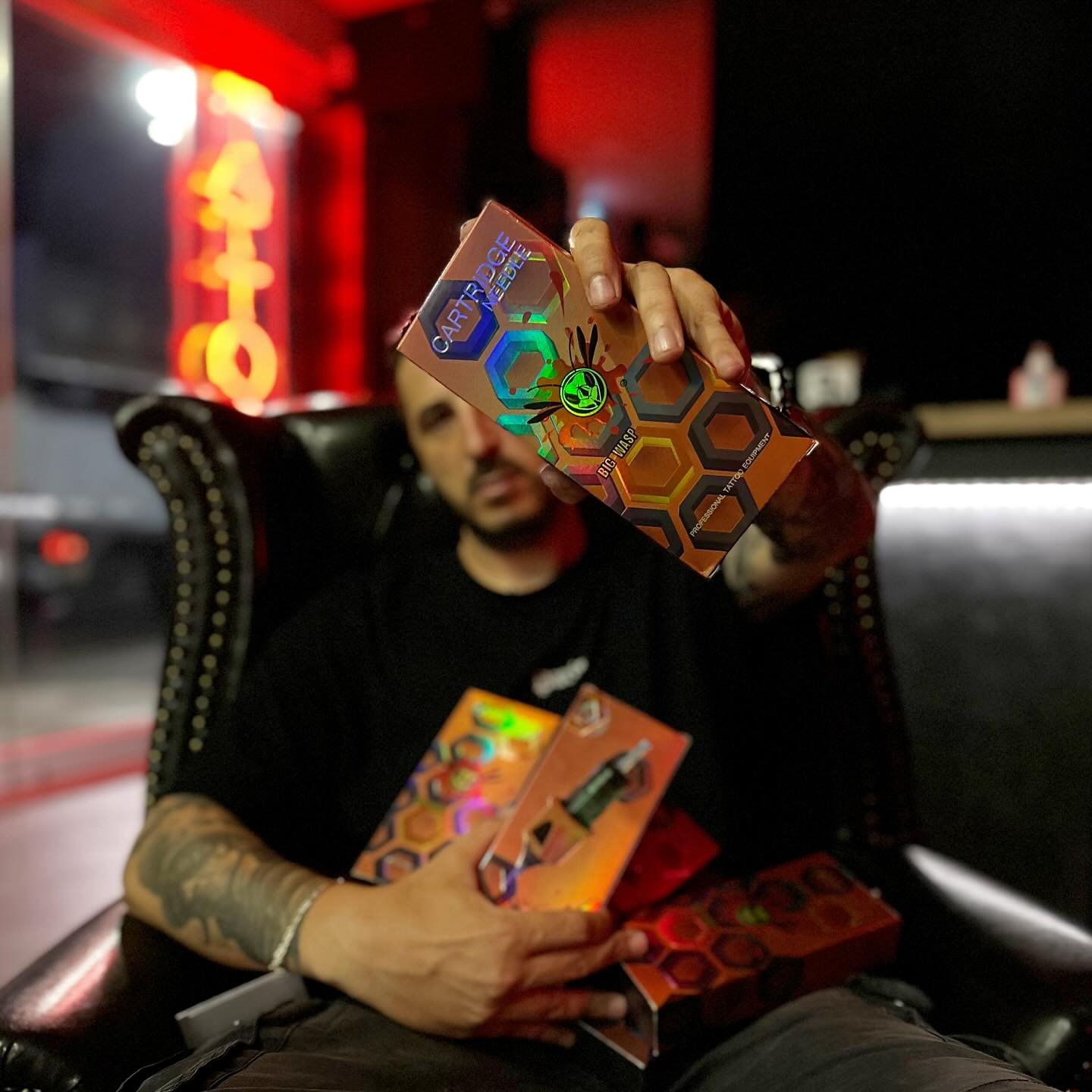
These kits pack everything: reliable machines, grips, and those star BigWasp needles that glide like butter for crisp lines and minimal skin drag. Perfect for practicing fine-line trends without the frustration of dull tips. At wholesale prices, a full setup runs under $300—way cheaper than piecing it together elsewhere. It’s like having a mentor’s toolkit without the hefty fee.
Why BigWasp? Their ultra-sharp points shine in microrealism sessions, letting you nail tiny details on fake skin or fruit (yes, bananas make great curve practice). Start with eBronc’s bundle, and you’ll produce portfolio-worthy pieces faster, building confidence for your shop launch. Head to ebronc.com to snag yours—it’s the smart hack lowering barriers for new artists like you.
Step 3: Curate Your Work – Quality Over Quantity Every Time
Got sketches piling up? Time to edit ruthlessly. A standout portfolio isn’t a dump of everything—it’s a curated story of your talent.
Pick your top 20-30 pieces that scream skill: flawless shading in a blackwork geometric, vibrant pops in a watercolor butterfly, or intricate lettering that flows like poetry. Show variety—2-3 styles like traditional, realism, and minimalist—to prove you’re adaptable for any client walk-in. Skip unfinished work; every page must be tattoo-ready, sized for body placement.
Add depth with an “About Me” page: a short bio on your journey, inspirations (maybe a nod to 2025’s AI-generated twists on classics), and why you’re launching a shop. Toss in flash sheets— themed sets of small designs—to pad creatively without fluff. The goal? Make mentors (and future partners) think, “This artist’s got the vision for their own spot.”
Step 4: Craft Physical and Digital Versions That Shine
One portfolio? Nah—build two: physical for shop visits, digital for the world.
For physical: Grab a sleek black folder, slip pages into plastic sleeves for that clean, pro vibe. Start with a killer cover design—your name bold, contact crisp. Organize by style tabs for easy flips.
Digital? Instagram is gold—post high-res healing shots under natural light, no filters to fake it. Build a simple site with Squarespace, categorizing galleries and adding testimonials like “Turned my sketch into forever art!” Link it everywhere: business cards, emails. In 2025, video reels of your process (time-lapses on eBronc gear) boost engagement big time.
Both versions tell your story: from apprentice sketches to owner-ready mastery.
From Sketches to Shop Success
Building your tattoo portfolio as a beginner isn’t just prep—it’s the spark that lights your path to ownership. With daily practice, smart tools like eBronc’s apprentice kits featuring BigWasp needles, and a curated showcase, you’ll stand out in 2025’s trendy scene. You’ve got the steps; now grab that pencil (or needle) and start.
Ready to level up? Check eBronc’s wholesale bundles at ebronc.com and ink your first portfolio piece today. What’s your go-to style? Share in the comments—we’re here to cheer your journey!