
Opening a tattoo shop in 2025 is exciting—the industry is booming with trends like neon geometrics and AI-inspired designs, expected to grow 15% this year. But legal missteps can lead to fines, shutdowns, or lawsuits. If you’re researching “tattoo shop legal requirements,” this guide highlights key pitfalls in zoning, insurance, and sanitation. We’ll cover common errors, real fixes, and how sourcing compliant gear from eBronc keeps costs low and risks minimal. Let’s build a strong foundation for your launch.
Pitfall 1: Zoning Issues – Choosing the Wrong Location
Zoning laws control where tattoo shops can operate, often classifying them as “adult” businesses. Ignoring this can result in relocation costs or daily fines starting at $500.
Common Mistakes:
- Assuming any commercial space works without checking local codes.
- Overlooking buffer zones (e.g., 500 feet from schools or churches).
- Signing a lease before confirming zoning, leading to renovation halts.
Real-World Example: An Atlanta shop faced ongoing fines for operating in a restricted district, delaying their opening by months.
How to Avoid It:
- Research Early: Contact your city’s planning department for zoning maps and a free consultation.
- Use Tools: Check apps like Zillow’s zoning overlays to identify allowed areas (e.g., commercial or mixed-use zones).
- Apply for Variances: If needed, submit a request with site photos and community support—budget $1,000–$3,000 for permits and legal help.
- Document Everything: Keep records of inspections and neighbor approvals to strengthen your case.
Get zoning right, and you’ll attract foot traffic from nearby hotspots like art districts.
Pitfall 2: Insurance Gaps – Leaving Yourself Exposed
Insurance protects against client claims like infections or slips, which are rising in 2025 due to heightened awareness. Skimping here can mean personal liability for six-figure payouts.
Common Mistakes:
- Using personal policies (e.g., homeowner’s) that don’t cover business risks.
- Skipping professional liability, exposing you to “negligent tattoo” suits.
- Forgetting coverage for freelance artists or failing to meet lender/landlord requirements.
Real-World Example: A shop without pro coverage faced a $50,000 payout after an allergy claim, nearly closing their doors.
How to Avoid It:
- Get Specialized Coverage: Opt for tattoo-focused providers like InkShopGuard—$450–$750/year for $1 million general liability, plus $500–$1,000 for errors and omissions.
- Set Limits High: Aim for $1–2 million in coverage; include add-ons for equipment or cyber risks.
- Review Annually: Update for new 2025 regs on digital consents and add workers’ comp for staff.
- Bundle Smartly: Combine with property insurance for theft or fire protection.
Strong insurance lets you focus on creativity, not courtrooms—always get quotes from at least three carriers.
Pitfall 3: Sanitation Shortcuts – Risking Shutdowns
Sanitation builds client trust and passes health inspections, but lapses trigger fines ($250–$1,000 per violation) or closures under 2025’s strict bloodborne pathogen rules.
Common Mistakes:
- Inconsistent sterilization (e.g., faulty autoclaves or reused tools).
- Poor hygiene practices, like not changing gloves between clients or skipping surface barriers.
- Improper waste disposal, such as tossing sharps in regular trash.
Real-World Example: A Texas studio was suspended after failing to log sterilization cycles, costing weeks of lost revenue.
How to Avoid It:
- Invest in Equipment: Buy a spore-tested autoclave ($800–$2,000) and schedule monthly maintenance.
- Follow Protocols: Use single-use needles, inks, and barriers; log every cycle per CDC guidelines.
- Train Your Team: Mandate 20-second hand washes, fresh gloves per client, and weekly mock inspections.
- Post Clear Signs: Display rules like “No tattoos for minors” or “Report allergies” to reinforce habits.
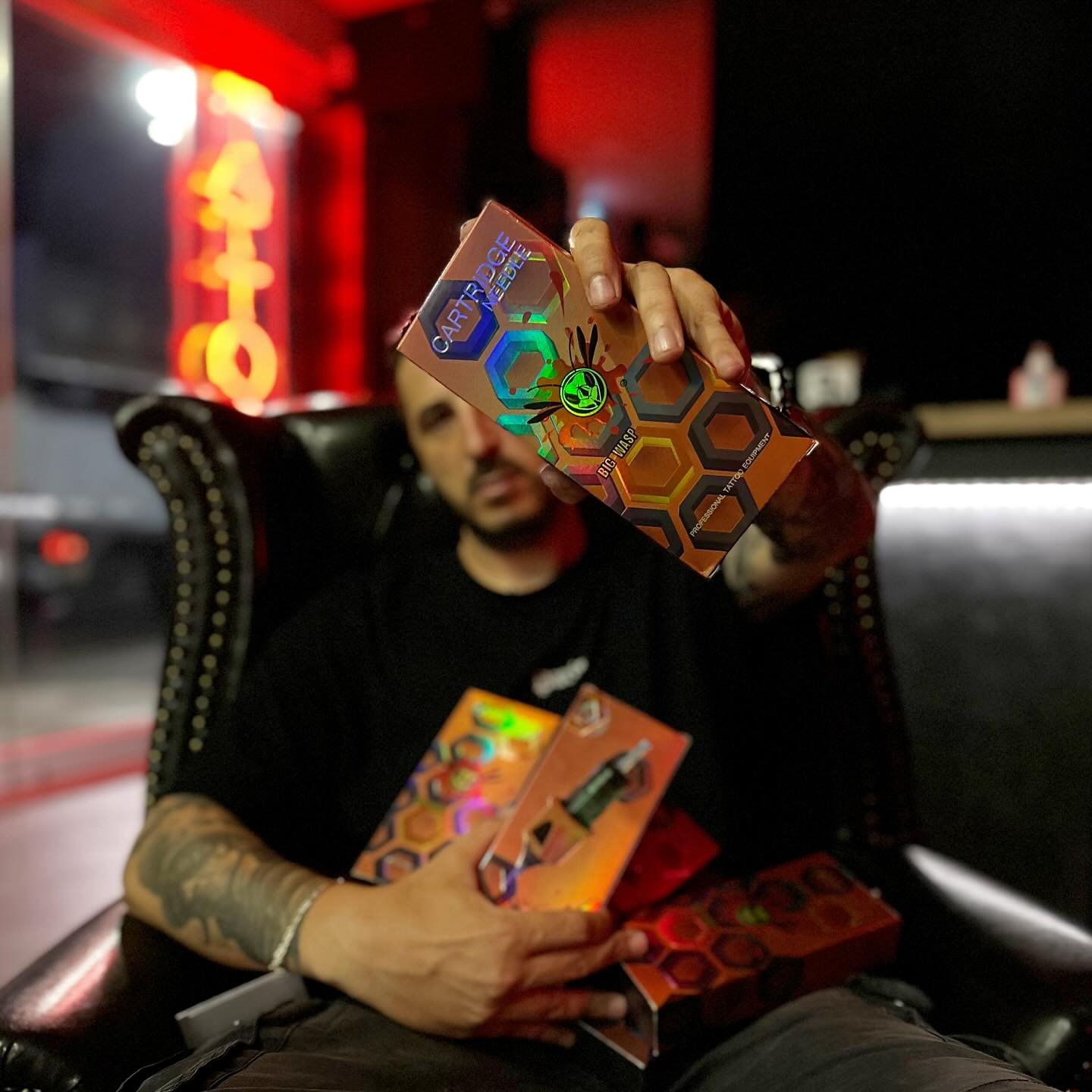
Sourcing from eBronc makes this easier—their wholesale Bronc machines and BigWasp needles arrive sterile and code-compliant, cutting contamination risks and inspection fails. These bundles (under $300 for starters) ensure quality without extra overhauls, saving new shops thousands in potential fines.
Daily clean checks keep your space spotless, turning clients into loyal fans.
Other Quick Pitfalls: Licensing and Consent Traps
Don’t overlook these extras—they’re easy fixes but big trouble if ignored.
Licensing Lapses:
- Mistake: Assuming state licenses transfer or forgetting renewals.
- Avoid It:
- Secure shop permits ($100–$500) and artist certs (e.g., bloodborne training).
- Set calendar reminders for expirations—lapsed ones void insurance.
Consent Form Flaws:
- Mistake: Using vague templates that miss key risks or aftercare details.
- Avoid It:
- Detail everything in plain language: risks, no-minors policy, and digital signatures for speed.
- Get clients to sign before inking—store securely for legal proof.
Final Tips for a Compliant Launch
- Start with a Checklist: Cover zoning, insurance, sanitation, licensing, and consents in your business plan.
- Budget Wisely: Allocate 10–15% of startup costs ($2,000–$5,000) for legal and compliance setup.
- Consult Pros: Hire a local lawyer for $500–$1,000 to review everything upfront.
- Stay Updated: Follow 2025 changes via health department newsletters or apps.
Launch Legally, Tattoo Boldly
Mastering “tattoo shop legal requirements” protects your passion from pitfalls. By avoiding zoning woes, insurance holes, and sanitation slips—plus grabbing eBronc’s compliant wholesale gear—you’ll open strong and stress-free.
Explore eBronc’s bundles at ebronc.com for tools that meet health codes out of the box. What’s your top legal concern? Share in the comments—let’s keep the conversation inked!